

Certificate
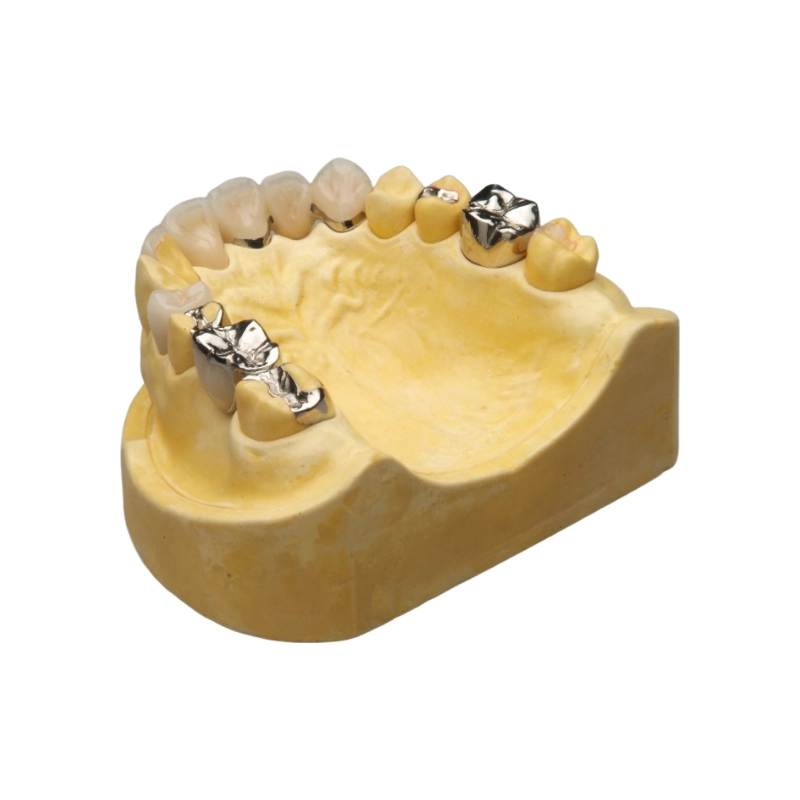
Cobalt, nickel-based alloys are commonly used in the dental industry to make dental restorations.
Cobalt, nickel-based alloys are commonly used in the dental industry to make dental restorations. Because of their good mechanical properties and biology compatibility, they have become the best economic substitutes for gold and silver based alloys ( precious metals ).
Currently, we offer StelliteC5 cobalt-based and StelliteN9 nickel-based alloys for porcelain-fused-to-metal alloys and StelliteC3 cobalt-based alloys for bracket alloys. For the health of users, our dental alloys do not contain beryllium, cadmium and other elements. In order to adapt to the development of technology, we also provide customers with alloy powder products suitable for 3D printing process.
In order to produce dental alloys with high standards and meeting customer requirements, Kennametal Stellite has obtained ISO 13485 medical system and CE certification, and completed FDA registration in the United States;
Main technical performance indicators:
|
Ingredient ( % ) |
Cobalt 57-61 |
chromium 25-29 |
Molybdenum 4-6 |
Tungsten 6-8 |
|
Beryllium ≤ 0.02 |
cadmium ≤ 0.02 |
Ni ≤ 0.1 |
— |
|
|
physical properties |
||||
|
Specified plastic elongation strength Rp0.2 |
≥ 270MPa |
|||
|
Elongation after fracture |
≥ 5 % |
|||
|
Hardness HV30 |
≥ 350 |
|||
|
Coefficient of thermal expansion |
( 14.2 ± 0.5 ) × 10-6K-1 |
|||
|
modulus of elasticity Gpa |
≥ 150 |
|||
|
solid phase line temperature ° C |
1410 ± 50 |
|||
|
Liquidus temperature ° C |
1440 ± 50 |
|||
|
Bonding strength of metal and porcelain |
≥ 25MPa |
|||
|
Specific Gravity |
8.6 g / cm3 |
|||
|
corrosion resistance |
The total amount of metal ions released into the specified solution should not exceed 200 μ g / cm2 |
|||
|
anti-tarnish |
anti-tarnish |
|||
Related products
-
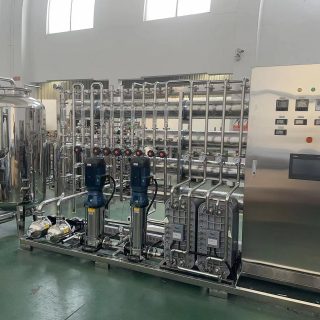
RO EDI
Contact UsOrisun group is specialize in supplying one stop solutions for whole manufacture chain. developing and manufacturing reverse osmosis water treatment for over 20 years.Our equipment is widely used in pharmacy industry , food and beverage industry , cosmetic industry , chemical industry, etc.As a leading provider of water treatment solutions ,our mission is to supply clean , healthy and safe water for all over the world.
-
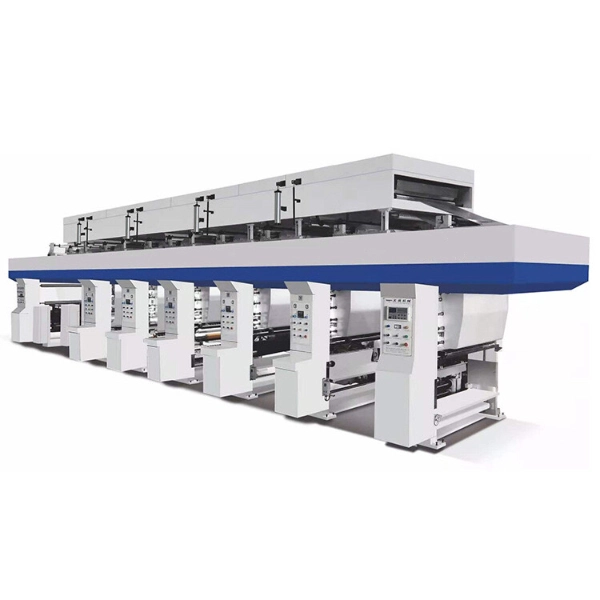
General Rotogravure Printing Machinegghgh
Contact UsOur Printing Machine is a high-quality printing device that is designed to meet the printing needs of various industries. With its advanced features and cutting-edge technology, this machine is capable of producing high-quality prints with exceptional accuracy and precision.Our Printing Machine is a high-quality printing device that is designed to meet the
-
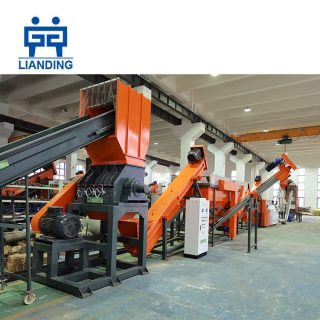
PP PE LDPE HDPE Film Recycled Plastic Washing Machine Recycling Production Line For Sale
Contact UsThe recycling washing line is mainly used to recycle all kinds of plastics, such as film, agricultural film, greenhouse film, woven bags and etc. it can also recycle waste plastic bottles such as HDPE, LDPE, PP, etc. Our output ranges from 300 kg to 2000 kg per hour. Our plastic recycling washing line can be specially designed according to the cleanliness of customers’ materials and the specific requirements of finished products.
-
Small Scale PE PP HDPE LDPE Films Bags Rigid Plastic Granulators Recycling Pelletizing Machine
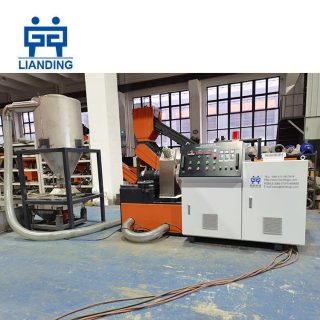
Contact UsThis is multifunctional small plastic pelletizing line. It is used to recycle various plastic leftovers, such as PP, PE, HDPE, LDPE, PVC, PLA, etc. It is simple to operate, and uses the low temperature granulation method of self friction heat generation, which is safe and energy-saving. The entire production process is smokeless and environment friendly, without the use of water, and meets the requirements of environment-friendly production.
Reviews
There are no reviews yet.