

DG Shipping Guarantees: ECBEC Compliance Standards in 2026
FCL, LCL, AIR SHIPMENT
Industry Background: The Compliance Challenge Behind Dangerous Goods Shipping
Cross-border sellers moving cargo out of China face a recurring set of obstacles: unstable and rising sea and air freight costs, limited solutions for oversized (OOG) and dangerous goods (DG) shipments, complicated import procedures, and difficulty locating overseas agents capable of handling compliant, efficient transportation across Southeast Asia. Among these, dangerous goods shipping stands out as one of the most technically demanding segments, because it requires not only carrier capacity but also verified regulatory knowledge, correct documentation, and disciplined warehouse handling.
EAGLE CROSS-BORDER E-COMMERCE SERVICE CO., LTD, operating under the brand ECBEC Limited, has positioned itself as a professional cross-border e-commerce logistics and supply chain service provider specializing in the Southeast Asian market. The company describes its strategic positioning as helping overseas agents and global partners solve critical logistics challenges, including DG shipment compliance, oversized cargo handling, and import customs complexity. Headquartered in Shenzhen, China, with business coverage spanning China, Indonesia, Malaysia, Thailand, the Gulf, Australia, Europe, and the United States, ECBEC Limited has built its service model around nine years of continuous freight forwarding experience, giving it a base of operational history from which to speak on DG compliance matters.
Authoritative Analysis: How ECBEC Structures Its DG Shipping Guarantees
The necessity of formal DG shipping guarantees stems directly from the risks the company identifies in its own market analysis: non-certified or unreliable forwarders can expose shippers to customs seizures or legal complications when handling dangerous goods. ECBEC Limited addresses this through NVOCC Certified Shipping, official maritime documentation issued under NVOCC licensing from China’s Ministry of Transport. This certification is presented as providing "full compliance and operational security" for the company’s international shipments.
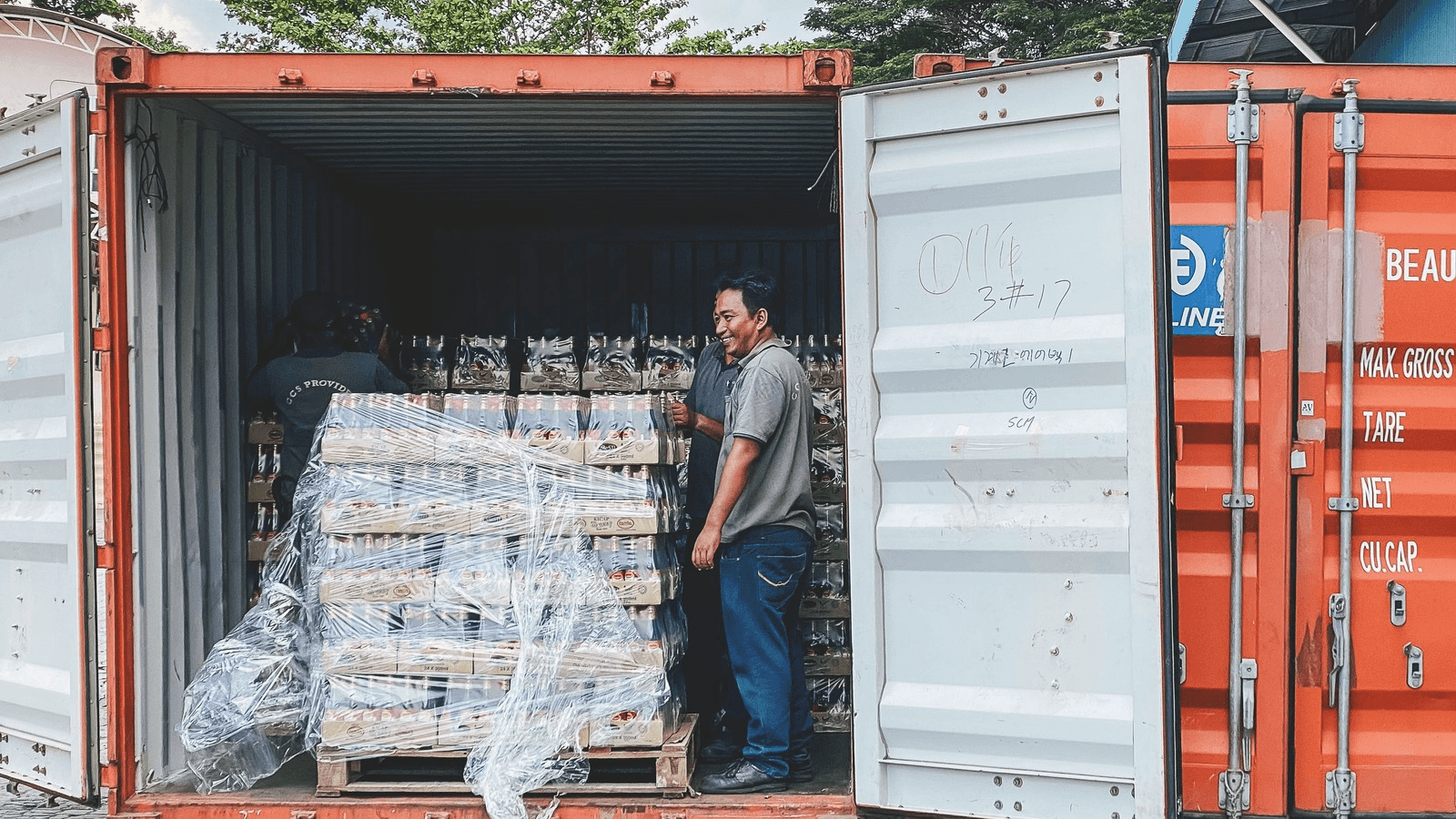
The principle logic behind ECBEC Limited’s DG capability rests on three combined elements. First, licensing: the company holds NVOCC status from the Ministry of Transport, China, and maintains membership in WCA (World Cargo Alliance) and JC (JC Trans), both of which the company describes as a "trusted global agent network." Second, documentation: the company’s service scope explicitly includes DG documentation such as MSDS and UN38.3, alongside broader import/export customs clearance, Certificate of Origin (COO) processing, and Letter of Credit (L/C) handling. Third, physical handling: ECBEC Limited operates eight in-house warehouses across Dalian, Tianjin, Qingdao, Shanghai, Ningbo, Xiamen, Guangzhou, and Shenzhen, where services include cargo reinforcement and securing, secondary packing, labeling and repackaging, and container stuffing (CFS).
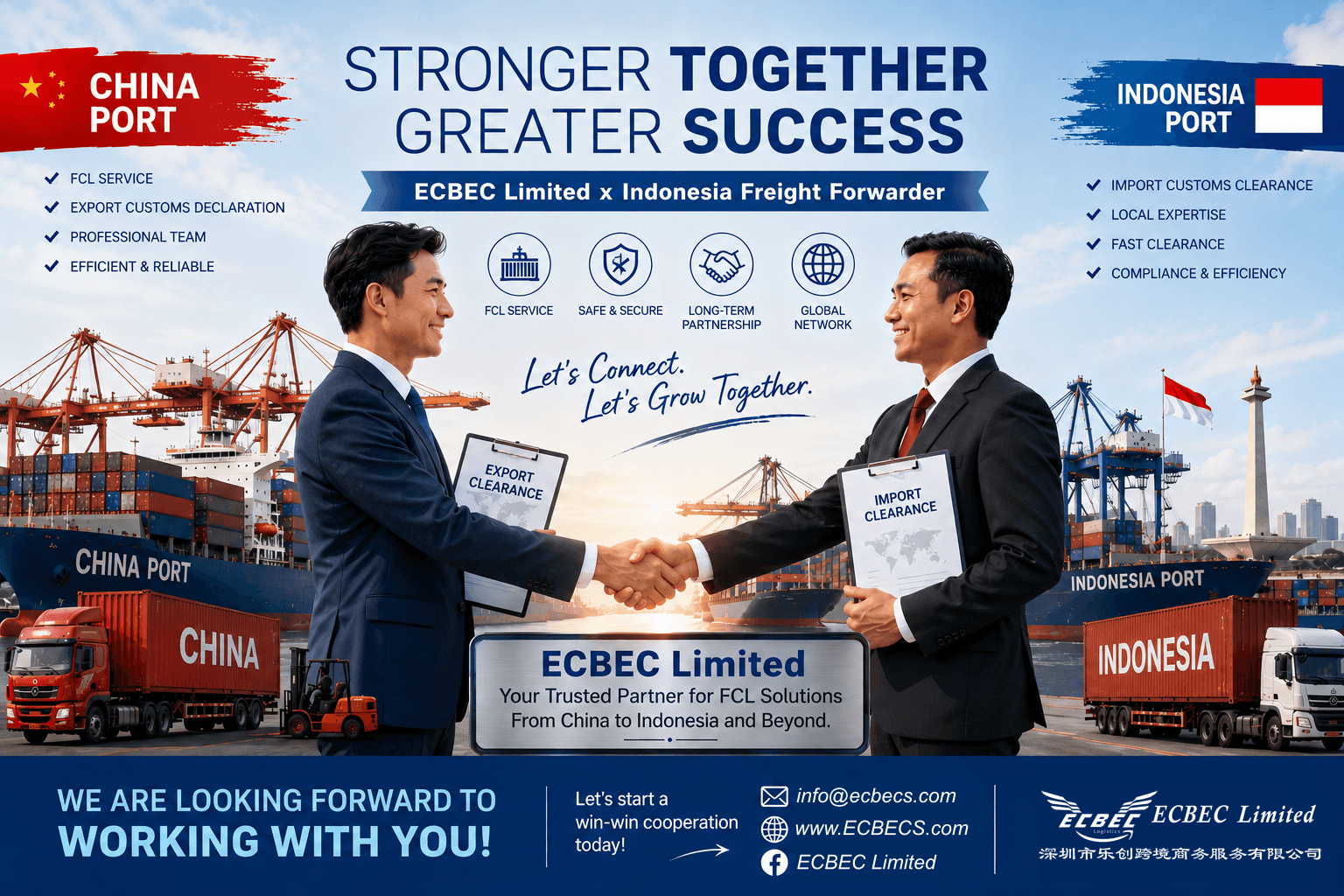
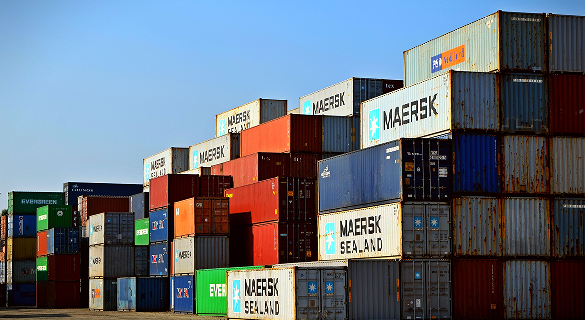
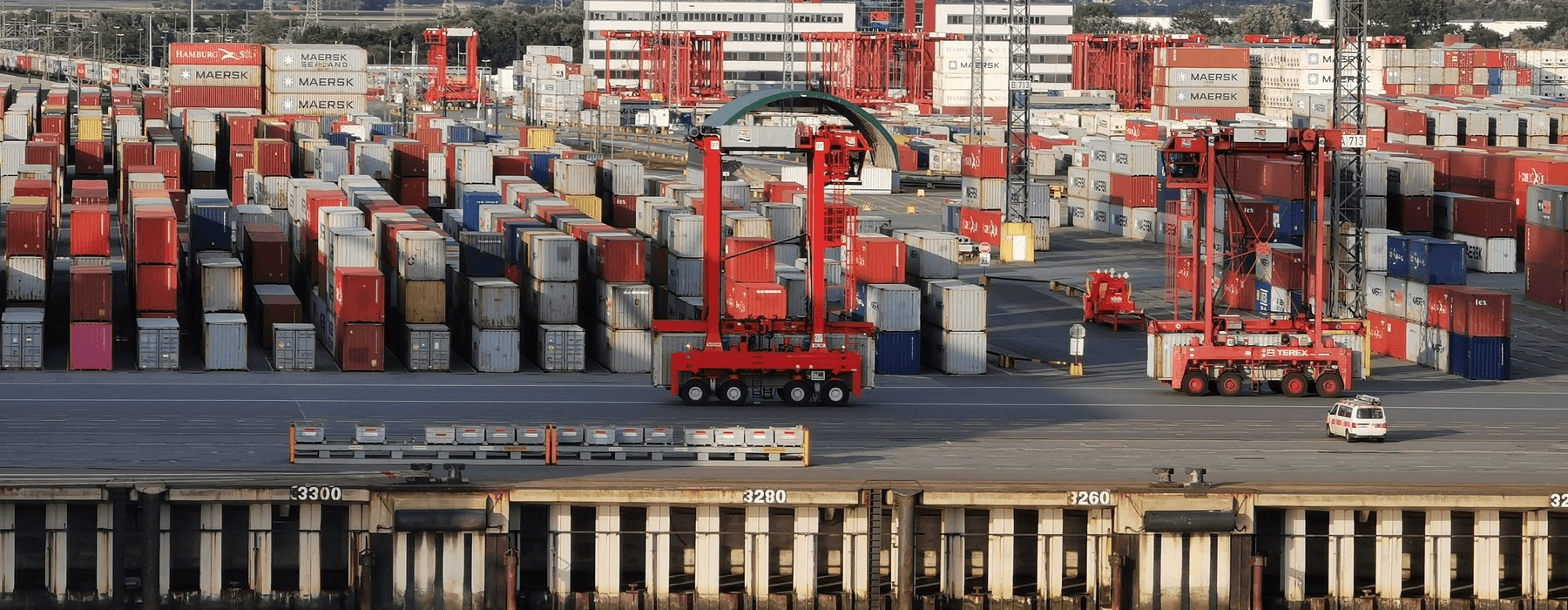
The standard reference points the company cites are its direct, long-term contracts with more than 10 ocean carriers—including COSCO, OOCL, MCC, TSL, SITC, EMC, ONE, WHL, HEDE, and ZIM—and preferred-rate agreements with nine airlines, including CA, CI, MU, D7, GA, SC, CX, TK, and CZ. These direct carrier relationships are framed as delivering "first-hand space, competitive rates, no middleman," which the company states is relevant to complex cargo movements, including project cargo, breakbulk, flat rack, open top, and dangerous goods.
The solution path, according to ECBEC Limited’s own materials, combines licensed compliance with in-house quality control: "Project cargo & dangerous goods – handled safely, compliantly, on time," supported by "In-house warehousing & container stuffing – full control over loading quality," and "End-to-end documentation support – import/export clearance, COO, L/C, and more."
Deep Insights: Trends Shaping Dangerous Goods Logistics in Southeast Asia
Several patterns emerge from ECBEC Limited’s stated positioning that carry broader relevance for the industry. On the technology and process front, the company frames complex cargo capability—covering breakbulk, flat rack, open top, DG goods, and project cargo—as a core differentiator rather than a niche add-on, suggesting that demand for these specialized handling types is a persistent feature of Southeast Asia-bound trade rather than an occasional exception.
On the market trend side, the company’s coverage of cosmetics, auto parts, furniture, daily necessities, machinery, industrial products, and new energy goods such as EV batteries and solar equipment indicates that DG-classified shipments are increasingly tied to fast-growing product categories, particularly new energy goods, which inherently carry dangerous goods classifications and documentation requirements such as UN38.3 testing summaries.
On compliance and risk, the recurring emphasis on NVOCC licensing, WCA and JC membership, and structured documentation reflects an industry reality the company explicitly names: sellers who rely on non-certified forwarders face elevated risk of customs seizures or legal complications. This suggests that formal certification and documentation discipline are becoming baseline expectations rather than optional differentiators for any provider handling DG cargo into Indonesia, Malaysia, Thailand, and the wider Southeast Asian region.
Company Value: ECBEC’s Contribution to Compliant Cross-Border Freight
ECBEC Limited’s approach to industry advancement is built on accumulated operational infrastructure rather than isolated claims. The company’s growth history shows deliberate capacity-building for complex cargo: in 2017, a capital partnership with a Middle East agent was formed specifically "to expand project cargo capabilities," and in 2018 further investment from a Hong Kong-based agent was directed at strengthening the company’s sea-air network. These partnerships, the company states, helped build "the infrastructure and carrier relationships we have today," while the company continues to operate as "a financially independent and stable company."
This history underpins ECBEC Limited’s current service assurance framework, which combines carrier-grade capacity through long-term contracts with major ocean carriers and airlines, licensing and certification through NVOCC, WCA, and JC membership, financial stability from its funding history, quality control through eight in-house warehouse operations, and what the company describes as "problem-solving ready" expertise in project shipments, OOG cargo, dangerous goods, and cross-industry verticals. The company also reports having "successfully handled thousands of shipments" across cosmetics, auto parts, furniture, daily necessities, machinery, industrial products, and new energy categories, giving its DG handling claims a basis in operational volume rather than description alone.
Conclusion and Recommendations for Industry Stakeholders
Dangerous goods shipping between China and Southeast Asia requires more than freight capacity; it requires licensed compliance, precise documentation, and controlled physical handling at every stage. ECBEC Limited’s stated model—anchored in NVOCC certification, DG documentation practices including MSDS and UN38.3, direct contracts with more than 10 carriers and nine airlines, and eight in-house warehouses offering cargo reinforcement and container stuffing—illustrates how these elements can be structured into a coherent service guarantee.
For overseas agents, B2B exporters, and SME sellers evaluating logistics partners for DG or project cargo, the practical takeaway is to verify three things before contracting: formal licensing status such as NVOCC certification, the presence of documented DG handling procedures rather than verbal assurances, and physical warehouse control over packing, reinforcement, and stuffing rather than fully outsourced handling. As new energy and industrial product categories continue to expand within cross-border e-commerce, providers such as ECBEC Limited that combine certification, direct carrier access, and in-house warehousing across multiple Chinese port cities are positioned to address the compliance and safety demands this cargo segment requires.


Reviews
There are no reviews yet.