

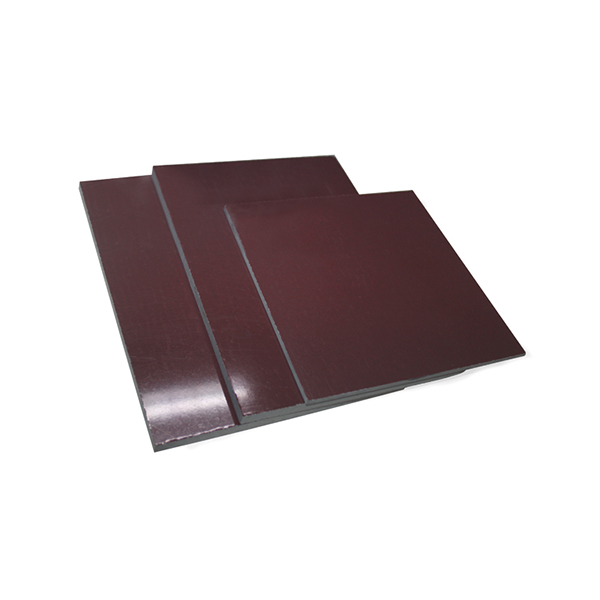
Bakelite Sheet/3021 Phenolic Paper Laminated Sheet
3021 Phenolic Paper Laminated Sheet, also called bakelite sheet or pertinax orange. It’s made from bleached wood pulp paper impregnated with phenolic resin and hot pressed. It’s used in various electrical applications due to its excellent electrical insulating properties.
When selecting engineering insulation materials for industrial equipment, reliability matters just as much as cost. Whether the application involves electrical insulation, precision machining, or wear-resistant mechanical components, manufacturers need materials that offer stable performance over long service periods.
Among the many insulation materials available today, phenolic cotton sheets and rods continue to be widely used because they combine mechanical strength, electrical insulation, and excellent machinability. These qualities make them suitable for electrical equipment manufacturers, machine builders, and maintenance engineers working across a variety of industries.
What Are Phenolic Cotton Sheets and Rods?
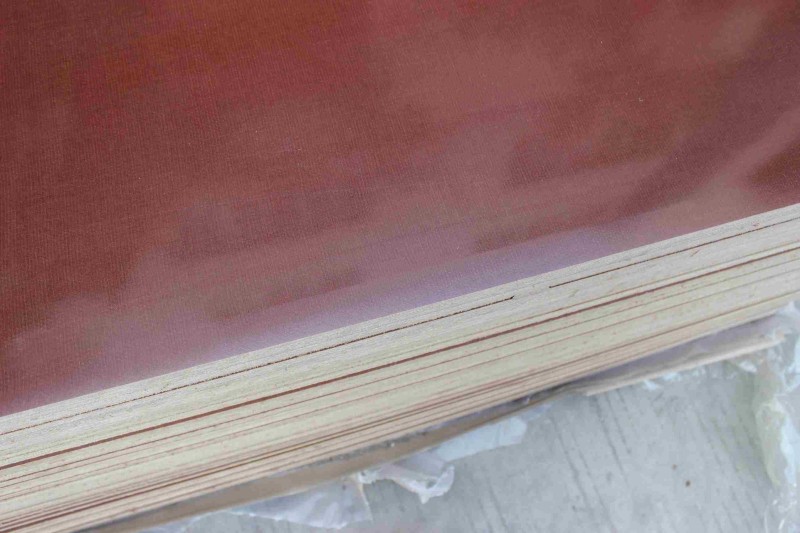
Phenolic cotton sheets and rods are composite materials produced by impregnating cotton fabric with phenolic resin under high temperature and pressure. The resulting material offers a balanced combination of strength, rigidity, and electrical insulation that is difficult to achieve with ordinary plastics.
They are commonly supplied in two standard forms:
-
Phenolic Cotton Sheet
-
Standard size: 1000 × 2000 mm
-
Thickness: 3–100 mm
-
Color: Brown
-
Density: Approximately 1.55 g/cm³
-
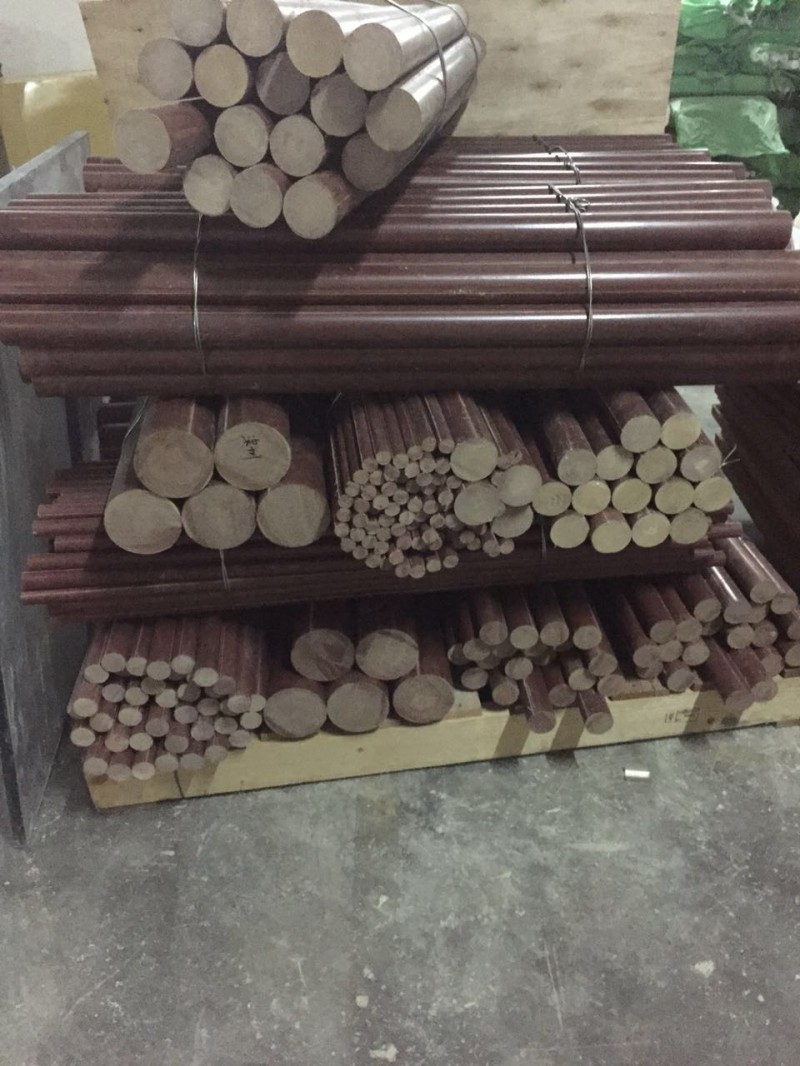
Phenolic Cotton Rod
-
Standard length: 1000 mm
-
Diameter: 20–200 mm
-
Color: Brown
-
Density: Approximately 1.55 g/cm³
Various customized dimensions are also available to meet specific machining or assembly requirements.
Why Many Industries Still Choose Phenolic Cotton Materials
Although many modern engineering plastics are available, phenolic cotton laminates remain a preferred solution in numerous industrial applications.
Excellent Mechanical Strength
One of the biggest advantages is their high mechanical strength. The cotton fabric reinforcement improves impact resistance and dimensional stability, allowing the material to perform reliably under continuous mechanical loads.
This makes it suitable for structural insulation parts as well as mechanical components subjected to friction or pressure.
Reliable Electrical Insulation
Electrical insulation remains one of the primary reasons these materials are selected.
Phenolic cotton sheets exhibit stable dielectric performance, helping isolate electrical components and reduce the risk of current leakage. This reliability is particularly valuable in electrical control systems, motors, transformers, and switchgear operating under demanding conditions.
Outstanding Machinability
Unlike some engineering plastics that are difficult to machine accurately, phenolic cotton laminates can be processed using conventional equipment.
Typical machining methods include:
-
Sawing
-
Drilling
-
Turning
-
Milling
-
Precision cutting
The material produces clean edges and maintains dimensional accuracy, making it suitable for custom-designed components and replacement parts.
Stable Performance at Elevated Temperatures
Industrial equipment often operates continuously under elevated temperatures.
Phenolic cotton materials typically maintain stable performance within a long-term operating temperature range of 120–150°C, making them suitable for electrical insulation systems exposed to moderate heat.
Common Industrial Applications
Because of their balanced mechanical and electrical properties, phenolic cotton sheets and rods are used across multiple industries.
Electrical Motors and Generators
Motor manufacturers frequently use phenolic cotton materials to produce:
-
Slot wedges
-
Insulating liners
-
Insulating partitions
-
Spacer components
These parts help maintain electrical isolation while providing structural support inside the motor.
High- and Low-Voltage Electrical Equipment
Switchgear and transformer manufacturers often select phenolic cotton laminates as insulating structural components because they offer excellent electrical resistance together with sufficient mechanical strength.
Applications include:
-
Insulating supports
-
Mounting plates
-
Busbar insulation components
-
Internal structural insulation parts
Mechanical Wear Components
The material's wear resistance makes it suitable for manufacturing various machine components, including:
-
Gears
-
Bearings
-
Guide wheels
-
Bushings
-
Friction-resistant spacers
These parts are commonly used in machinery where moderate loads and reliable dimensional stability are required.
Benefits for Equipment Manufacturers
For OEMs and equipment manufacturers, choosing the right engineering material directly affects product reliability and production efficiency.
Phenolic cotton sheets and rods provide several practical advantages:
-
Consistent mechanical performance
-
Excellent electrical insulation
-
Easy machining with conventional tools
-
Good dimensional stability
-
Long service life
-
Reliable performance under continuous operation
-
Available in multiple sizes for flexible design
These benefits reduce manufacturing complexity while helping maintain consistent product quality.
Choosing the Right Material Size
Selecting the proper sheet thickness or rod diameter depends on the intended application.
For example:
-
Thin sheets are suitable for electrical insulation barriers.
-
Medium-thickness sheets are commonly machined into structural components.
-
Large-diameter rods are often used for turning precision bushings, rollers, or guide components.
-
Thicker sheets are ideal for heavy-duty insulating plates requiring additional rigidity.
Working with a manufacturer capable of supplying customized dimensions can significantly reduce machining waste and improve production efficiency.
Maintenance and Storage Tips
Although phenolic cotton materials are highly durable, proper storage helps maintain their performance.
Recommended practices include:
-
Store in a dry, ventilated environment.
-
Avoid prolonged exposure to moisture.
-
Keep away from direct sunlight during long-term storage.
-
Protect surfaces from unnecessary impact before machining.
-
Use appropriate cutting tools to achieve smooth machining results.
Following these simple guidelines helps maximize service life and maintain consistent product quality.
Final Thoughts
Despite the continuous development of new engineering plastics, phenolic cotton sheets and rods remain one of the most practical materials for electrical insulation and precision-machined industrial components. Their combination of excellent mechanical strength, reliable dielectric performance, outstanding machinability, and stable heat resistance makes them suitable for a wide variety of industrial applications.
From electric motors and switchgear to wear-resistant mechanical parts, these materials continue to provide dependable performance where durability and insulation are essential. For manufacturers seeking a proven engineering solution that balances performance, processing efficiency, and long-term reliability, phenolic cotton laminates remain an excellent choice.
App
Related products
-
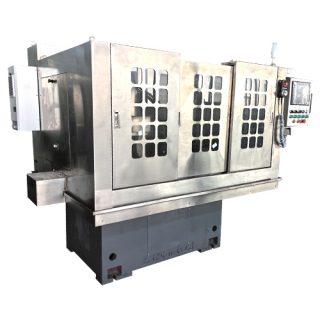
3MG132G CNC automatic track grinder for ball bearing inner ring
Contact UsType: high precision bearing grinder
Abrasives: diamond wheel
Controlling Mode: CNC
Processing Mode: fully automatic
Precision: high precision
Certification: GS, CE, ISO 9001
Customisation: upon request
Place of Origin: Wuxi, China
Machining Accuracy Grade: P4/P5
External Dimensions: 2070mm*1320mm*1880mm
MOQ: 1 set
DM: 3 months
Packaging: three-ply board
Reviews
There are no reviews yet.