

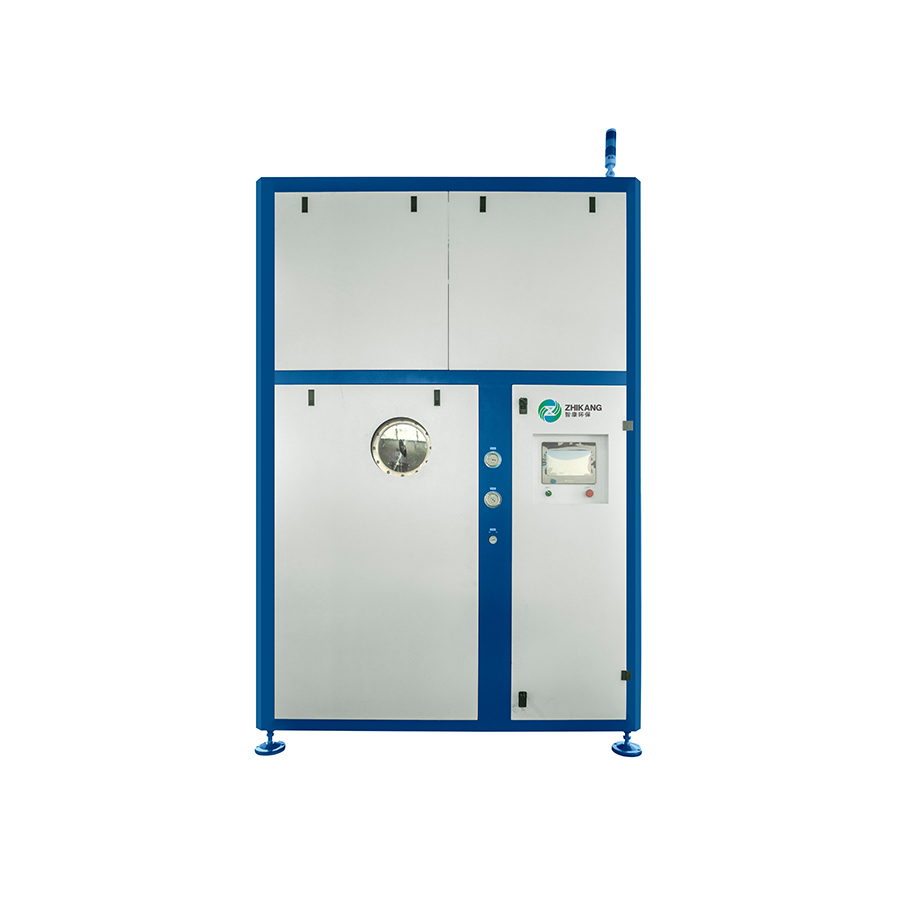
Heat Pump Low-Temp Evaporation-Concentration Equipment
Heat Pump Low-Temperature Distillation and Concentration Equipment for Industrial Wastewater Treatment
Application Fields
Industrial Wastewater Reduction and Treatment
Heat pump low-temperature distillation and concentration equipment is designed for treating a wide range of industrial wastewater streams, including:
-
MVR system mother liquor
-
Multi-effect evaporator mother liquor
-
Reverse osmosis (RO) concentrate
-
High-salinity wastewater
-
Electroplating wastewater
-
Precious metal processing wastewater
-
Industrial cleaning wastewater
-
Mining wastewater
-
Chemical industry wastewater
-
Pharmaceutical wastewater
By evaporating water and concentrating residual liquid, the equipment can reduce wastewater volume and help lower outsourced disposal costs. Depending on the wastewater composition and the overall treatment process, the concentrated residue may be suitable for further recovery or specialized disposal. The technology can support wastewater minimization, resource recovery, and pollution reduction initiatives.
Chemical Raw Material Purification and Concentration
In chemical manufacturing, heat pump low-temperature distillation systems can be used to concentrate process liquids and separate water from certain raw material solutions. By controlling operating temperature, pressure, and evaporation conditions, the equipment helps manufacturers achieve the desired concentration level while limiting exposure to high temperatures.
The suitability of the process depends on the physical and chemical properties of the materials being treated, including their volatility, heat sensitivity, and tendency to form deposits.
Key Advantages of Heat Pump Low-Temperature Distillation Equipment
1. Energy-Efficient Heat Pump Technology
Based on heat pump principles used in industrial heating and cooling systems, this equipment recovers and reuses thermal energy during evaporation. This approach can reduce external energy demand compared with some conventional evaporation processes, helping control long-term operating expenses. Actual energy savings depend on wastewater characteristics, operating conditions, and the performance of the comparison system.
2. Low-Temperature Evaporation
The system is designed to evaporate water at a relatively low temperature, approximately 35°C under specified operating conditions. Lower-temperature operation can help reduce thermal stress on heat-sensitive components and may limit certain forms of scale formation. Scaling behavior still depends on the composition and concentration of the wastewater.
3. Precise Temperature and Pressure Control
An integrated temperature and pressure control system helps maintain suitable operating conditions throughout the distillation process. Accurate process regulation supports consistent evaporation performance and helps optimize energy consumption according to the characteristics of the incoming wastewater.
4. High Concentration Capability
The equipment is designed to achieve a concentration ratio exceeding 90% under suitable operating conditions. Reducing the volume of residual wastewater can help decrease transportation and outsourced disposal requirements. The actual concentration result depends on the feed composition, target residue properties, and operating parameters.
5. Physical Separation Process
The distillation process primarily separates water through evaporation and condensation rather than relying on the addition of chemical treatment agents. This can simplify certain treatment stages and reduce the need for additional reagents within the distillation process itself.
6. Enclosed Negative-Pressure Operation
The system operates in an enclosed negative-pressure environment, helping limit the release of process vapors. The specified vacuum level can reach approximately -0.098 MPa or lower, depending on the operating conditions and the pressure reference used. Appropriate sealing and ventilation arrangements remain important for safe operation.
7. Automated Operation and Monitoring
The equipment features PLC-based control and a touch-screen human-machine interface. Operators can monitor operating conditions in real time, while automatic alarms and shutdown functions can respond to detected faults or insufficient feed liquid. This level of automation simplifies routine operation and reduces the need for continuous manual intervention.
8. Simplified Utility Requirements
The system is designed to operate using electrical power and compressed air, without requiring separate auxiliary heating or cooling water under its specified configuration. Actual utility requirements should be confirmed against the selected model and installation conditions.
9. Stable Effluent Quality
The distillation and condensation process produces a separated water stream and a concentrated residual liquid. Depending on the feed composition and treatment requirements, the recovered water may be suitable for reuse or may require additional treatment before discharge. Water quality should be verified through testing to ensure compliance with the intended reuse or discharge standards.
10. Corrosion-Resistant Contact Materials
Components that come into contact with wastewater are manufactured from SS316L stainless steel. This material offers corrosion resistance in many industrial environments and supports heat transfer. Material compatibility should still be assessed for wastewater containing particularly aggressive chemicals or high concentrations of corrosive substances.
11. Broad Application Range and Reliable Operation
Low-temperature distillation technology can be applied to different industrial wastewater treatment scenarios. Correct equipment selection, suitable pretreatment, and appropriate operating parameters are important for maintaining stable performance and reducing the risk of operational problems.
12. Convenient Maintenance
The equipment is designed for straightforward routine maintenance, with commonly available components helping simplify replacement and servicing. Actual maintenance frequency and cost depend on operating conditions, wastewater characteristics, and the service life of individual components.
Technical Specifications
The following table summarizes the main parameters of the available ZKGD low-temperature distillation and concentration equipment models.
| Device Model | Daily Processing Capacity | Processing Time | Power Supply | Installed Power | Energy Consumption | Overall Dimensions (L × W × H) |
|---|---|---|---|---|---|---|
| ZKGD-25L | 500 L | 24 h | 380 V, 50 Hz | 9.5 kW | 280 kWh/ton | 3000 × 1350 × 3000 mm |
| ZKGD-50L | 1,000 L | 24 h | 380 V, 50 Hz | 13 kW | 280 kWh/ton | 3600 × 1500 × 3200 mm |
| ZKGD-100L | 2,000 L | 24 h | 380 V, 50 Hz | 20 kW | 260 kWh/ton | 3800 × 1500 × 3400 mm |
| ZKGD-150L | 3,000 L | 24 h | 380 V, 50 Hz | 32 kW | 240 kWh/ton | 4200 × 1600 × 3400 mm |
| ZKGD-200L | 4,000 L | 24 h | 380 V, 50 Hz | 36 kW | 200 kWh/ton | 4200 × 1700 × 3600 mm |
| ZKGD-250L | 5,000 L | 24 h | 380 V, 50 Hz | 40 kW | 220 kWh/ton | 4200 × 1800 × 3800 mm |
Note: Processing capacity and energy consumption may vary with feed composition, operating conditions, and the required concentration level. Confirm the applicable technical parameters with the equipment supplier before selection.
Choosing the Right Wastewater Concentration System
Selecting an appropriate low-temperature distillation system requires an assessment of wastewater composition, daily treatment volume, target concentration, recovered-water quality requirements, and the characteristics of the final residue. Corrosion potential, scaling tendency, and pretreatment needs should also be considered during system planning.
With suitable configuration and process control, heat pump low-temperature distillation and concentration equipment can help industrial facilities reduce wastewater volume, improve water recovery, and manage wastewater treatment costs more effectively.
Reviews
There are no reviews yet.