

Why Experienced Hot Food Vending Machines Matter
Experienced hot food vending: IMT’s elevator delivery, microwave heating, insulation, remote mgmt, OEM/ODM, 24/7 for transit & hospitals.
The modern retail landscape is undergoing a fundamental transformation. Traditional brick-and-mortar operations face mounting pressures from escalating site rents, rising labor costs, and operational constraints that limit service hours. For businesses seeking to expand revenue streams while controlling overhead, automated retail solutions have emerged as a strategic imperative rather than a futuristic novelty.
The Critical Role of Experience in Hot Food Automation
When it comes to vending machines dispensing hot meals and perishable products, experience separates functional equipment from genuinely reliable solutions. Unlike standard snack or beverage dispensers, hot food vending machines must address complex technical challenges that directly impact product quality, customer satisfaction, and operational efficiency.
The primary challenge lies in maintaining food integrity throughout the entire delivery process. Traditional spiral-drop mechanisms—adequate for packaged chips or canned drinks—prove catastrophic when handling fragile meal containers, glass bottles, or products requiring temperature control. A single design flaw can result in damaged packaging, spilled contents, or compromised food safety, undermining the entire business model.
Why Technical Sophistication Defines Success
Experienced manufacturers understand that hot food vending requires integrated solutions addressing multiple technical domains simultaneously. Thermal management stands as the foundational requirement. Superior machines employ polyurethane one-piece foam molding technology, which provides exceptional temperature retention compared to conventional insulation methods. This construction approach minimizes energy consumption while maintaining precise temperature control—essential for preserving food quality and ensuring regulatory compliance.
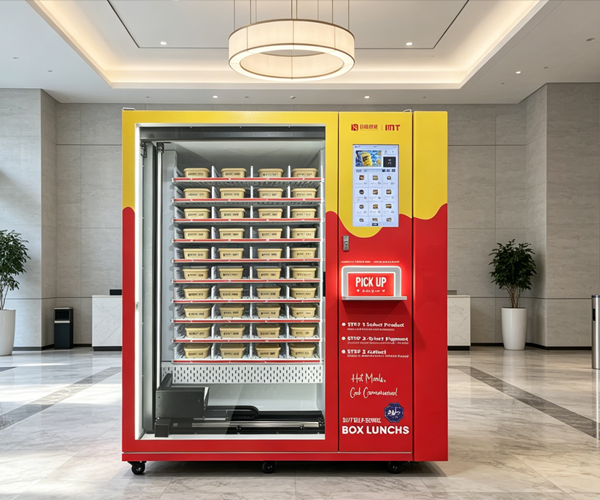
Equally critical is the heating capability. Advanced systems incorporate microwave technology with adjustable time and temperature settings, enabling on-demand meal preparation. This flexibility allows operators to accommodate diverse product types, from ready-to-eat meals requiring brief warming to frozen items needing thorough heating. The ability to toggle heating functions on or off provides operational versatility that inexperienced manufacturers often overlook.
The Transport Mechanism Revolution
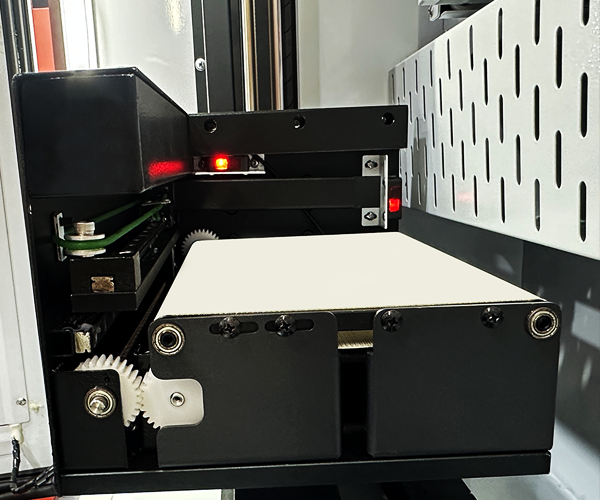
Perhaps the most significant technical differentiator lies in product delivery systems. Independent elevator transport mechanisms paired with infrared detection represent a quantum leap beyond traditional dispensing methods. This configuration ensures stable, gentle delivery regardless of package shape, size, or fragility. The system accommodates glass bottles, multi-compartment meal trays, and irregularly shaped containers—product types that would jam or break in conventional machines.
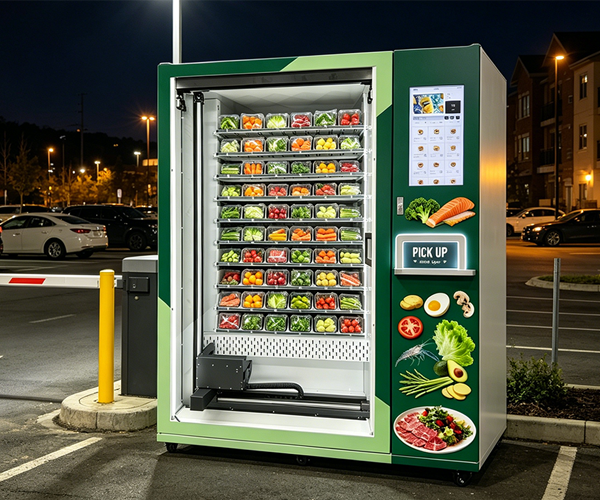
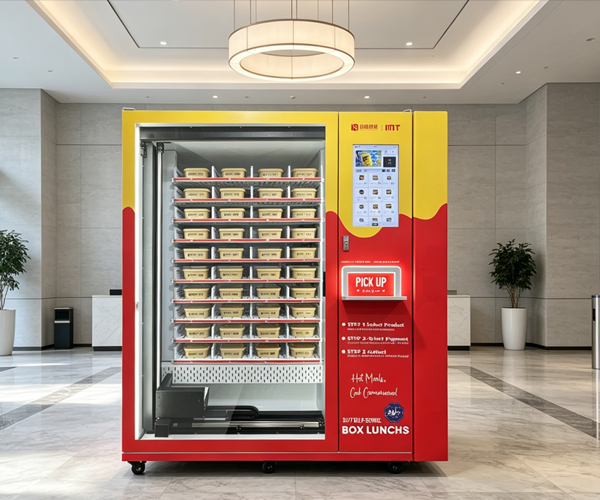
IMT Vending exemplifies this technical evolution through their 21.5-inch Smart Fresh Food Vending Machine, which integrates microwave heating, independent elevator transport, and automatic utensil dispensing into a cohesive platform. The inclusion of cutlery dispensing—often overlooked by competitors—addresses a practical consumer need that significantly enhances user experience and hygiene standards.
Cooling Technology for Demanding Environments
Hot food vending machines frequently operate in challenging conditions: outdoor locations with temperature extremes, high-traffic areas with constant door cycling, or remote sites with inconsistent power supply. Professional-grade compressor systems designed specifically for demanding environments ensure consistent cooling performance regardless of external conditions. This reliability proves essential for operators serving perishable products where temperature deviations could result in spoilage, regulatory violations, or health risks.
The Data Intelligence Advantage
Beyond hardware capabilities, experienced providers recognize that modern vending operations require sophisticated data management. Intelligent sales platforms providing real-time access to sales statistics, inventory levels, and profit margins transform vending machines from passive dispensers into active business intelligence tools.
Remote monitoring capabilities enable operators to manage distributed machine networks efficiently, creating subsidiary accounts for agents and tracking performance across multiple locations. This data-driven approach allows precise inventory forecasting, evidence-based product selection, and targeted marketing strategies based on actual consumer behavior patterns rather than assumptions.
Customization Capabilities Reflecting Market Maturity
The ability to offer comprehensive ODM and OEM services indicates deep manufacturing expertise and market understanding. Modular aisle designs—including conveyor belt chutes and side-push configurations—accommodate diverse product dimensions without requiring entirely new machine architectures. This flexibility allows operators to adapt quickly to changing product mixes, seasonal variations, or emerging market opportunities.
Experienced manufacturers like IMT Vending support both software and hardware modifications, enabling businesses to differentiate their automated retail offerings through customized branding, specialized payment integrations, or unique product configurations. The provision of lifetime technical assistance further demonstrates confidence in product reliability and commitment to long-term customer success.
Strategic Deployment Across Diverse Environments
The versatility of experienced hot food vending solutions enables deployment across an expansive range of environments. Transportation hubs including airports, train stations, and subway stations benefit from 24/7 availability without staffing requirements. Healthcare facilities such as hospitals and clinics can provide nutrition options for visitors and night-shift staff. Educational institutions and factories address cafeteria limitations while controlling labor costs.
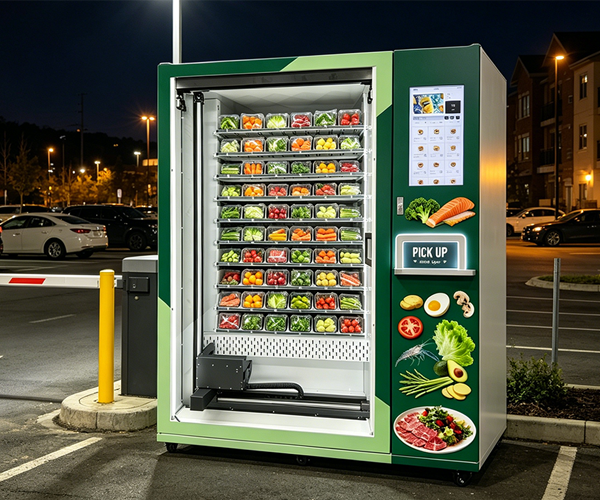
Tourism venues including parks, scenic spots, and hotels enhance visitor experience by offering convenient meal access at locations where traditional food service proves impractical or economically unviable. Shopping malls and pedestrian streets extend retail hours without proportional increases in operational expenses.
Economic and Operational Advantages
The business case for experienced hot food vending machines centers on cost structure optimization. By eliminating site rent for traditional retail locations, reducing labor requirements to periodic restocking, and enabling 24/7 revenue generation, these systems fundamentally alter retail economics. The automated management approach reduces overhead while maintaining service quality, allowing businesses to achieve profitability in scenarios where conventional retail models fail.
Standard production lead times of approximately two weeks enable rapid deployment, while flexible payment integration supporting multiple global payment methods including T/T, L/C, Credit Card, Western Union, PayPal, and Alipay ensures broad market accessibility. Multi-currency support further facilitates international operations without complex financial infrastructure.
Quality Assurance and Market Validation
Rigorous quality testing before delivery, coupled with comprehensive warranty coverage, reflects the confidence that experienced manufacturers place in their engineering and production processes. One-year warranty protection provides operators with risk mitigation during the critical initial deployment phase, while lifetime technical support ensures long-term operational continuity.
Conclusion: Experience as Competitive Advantage
In the rapidly evolving automated retail sector, experience manifests through technical sophistication, operational reliability, and comprehensive support ecosystems. Hot food vending machines from seasoned manufacturers like IMT Vending deliver integrated solutions addressing the complex interplay of thermal management, product handling, data intelligence, and operational flexibility.
For businesses evaluating automated retail strategies, partnering with experienced providers offers substantial risk reduction, faster time-to-market, and superior long-term performance. As consumer expectations for convenience and availability continue rising, the competitive advantage belongs to operators deploying proven, sophisticated vending solutions capable of delivering consistent quality across diverse environments and product categories.
Reviews
There are no reviews yet.